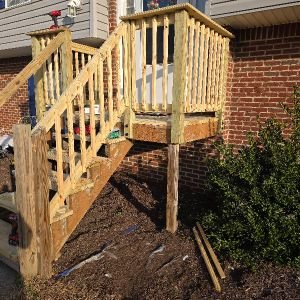
Get Handicap Ramp Repair
Handicap ramp repair services help property owners fix and improve existing ramps to ensure safe, accessible entryways for individuals with mobility challenges.
If you’re considering handicap ramp repair for a property in the area, you’re in the right place to explore your options. Ensuring safe and reliable access is a practical priority for many property owners, whether for residential, commercial, or public spaces. Local contractors who specialize in ramp repairs can help assess existing structures, recommend suitable solutions, and provide the necessary expertise to improve accessibility. This page is designed to connect you with qualified service providers nearby, so you can compare options and find the right fit for your project.
Planning a ramp repair project involves understanding the specific needs of your property and the accessibility requirements involved. By reviewing local service providers, property owners can gather information on available services, experience, and approaches to repairs. Keep reading to learn more about how local contractors can assist with handicap ramp repairs, and how to find the right professionals to support your project’s goals.
- Handicap Ramp Repair - needed when existing ramps become damaged or unsafe for mobility device users.
- Ramp Replacement - required when a current ramp no longer meets accessibility standards or is beyond repair.
- Ramp Modifications - necessary to accommodate changing mobility needs or improve accessibility features.
- Surface Repair - essential when ramp surfaces are cracked, worn, or pose tripping hazards.
- Structural Reinforcement - needed to ensure the stability and safety of ramps exposed to heavy use or deterioration.
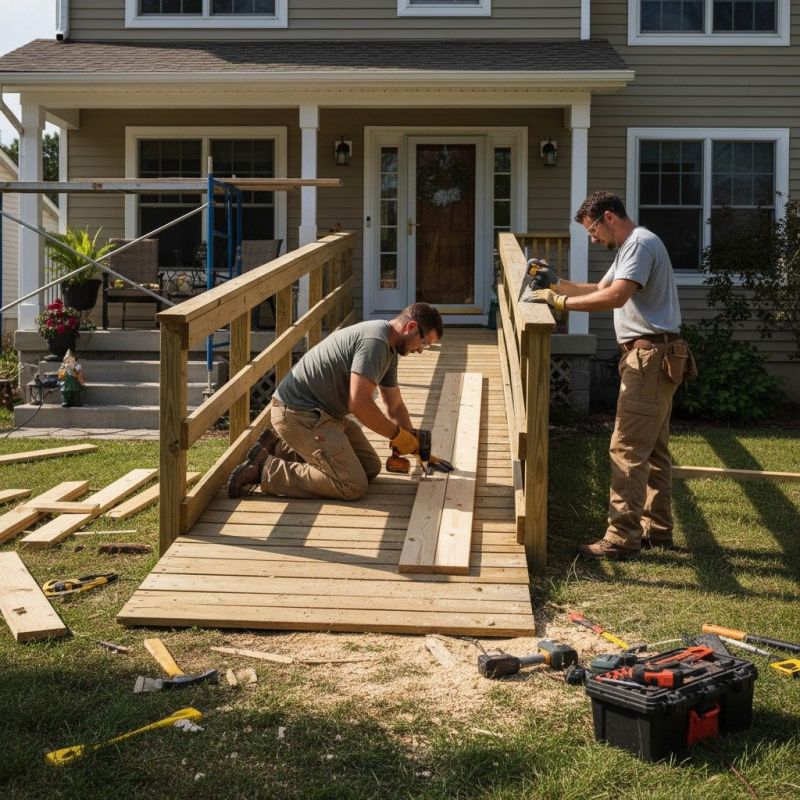
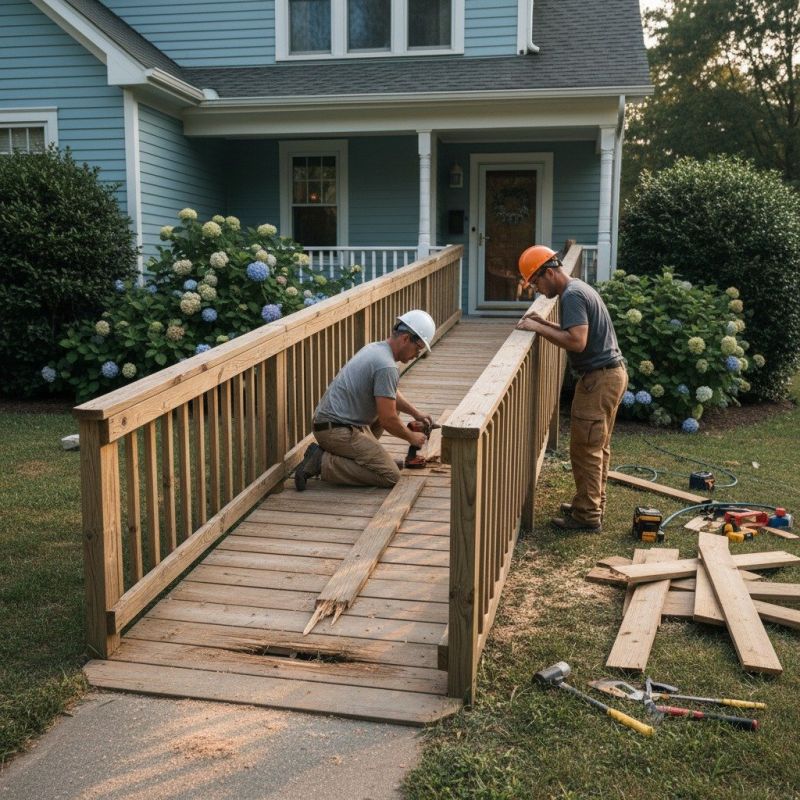
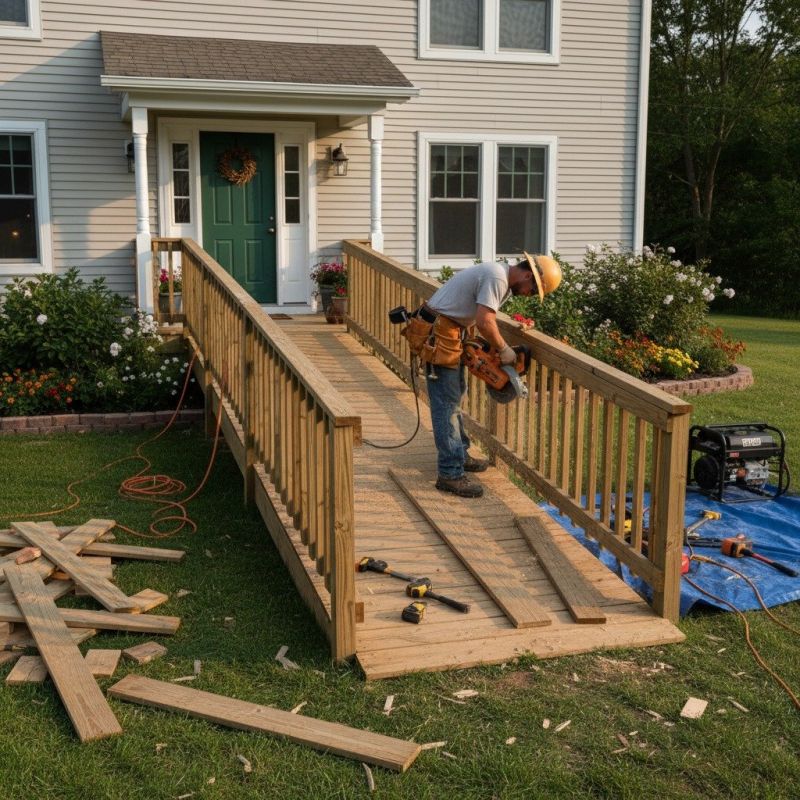
Handicap ramp repair services focus on restoring safety and accessibility to existing wheelchair ramps and mobility aids. Over time, ramps can develop issues such as loose or damaged handrails, cracked or rotting surfaces, and unstable supports that compromise their stability. Repair specialists evaluate the condition of the ramp, identify structural weaknesses, and perform necessary fixes to ensure the ramp remains secure and functional. This process helps prevent accidents and ensures that individuals with mobility challenges can access their homes or properties comfortably and safely.
Many common problems that lead to the need for ramp repairs include weather-related wear, frequent use, and aging materials. Cracks in the surface can create tripping hazards, while loose or broken handrails reduce support for users. Additionally, shifting ground or settling can cause the entire structure to become uneven or unstable. Repair services address these issues by replacing damaged components, reinforcing supports, and resurfacing worn areas. This helps prolong the life of the ramp and maintains compliance with safety standards, making it a practical solution for property owners facing mobility-related challenges.
Handicap ramp repair services are typically used on a variety of properties where accessibility is essential. Residential homes often require repairs to ensure safe entry for elderly family members or individuals with disabilities. Commercial properties, such as offices, retail stores, and healthcare facilities, also rely on well-maintained ramps to meet accessibility requirements and serve customers or clients effectively. In addition, community centers, senior living facilities, and public buildings may need regular repairs to keep their ramps in good condition, supporting inclusive access for all visitors.
For property owners experiencing issues with their existing ramps, connecting with local contractors who specialize in handicap ramp repairs can provide practical solutions. These service providers assess the current condition of the ramp, recommend appropriate repairs, and execute the work efficiently. Whether addressing minor damages or more extensive structural problems, experienced local pros can help restore the safety, stability, and usability of a ramp. This ensures that properties remain accessible and compliant with safety standards, supporting independence and mobility for all users.
The overview below groups typical Handicap Ramp Repair projects into broad ranges so you can see how smaller, mid-sized, and larger jobs often compare in your area.
In many markets, a large share of routine jobs stays in the lower and middle ranges, while only a smaller percentage of projects moves into the highest bands when the work is more complex or site conditions are harder than average.
Smaller Repairs - Typical costs for routine handicap ramp repairs generally fall between $250 and $600. Many common fixes, such as replacing handrails or patching minor damage, are priced within this range. Larger, more involved repairs may cost more but tend to be less frequent.
Moderate Repairs - Mid-range projects, including partial ramp rebuilds or extensive repairs, often range from $600 to $2,000. Many local contractors handle these projects regularly, with costs varying based on the scope of work and materials used.
Full Replacement - Complete handicap ramp replacements usually cost between $2,500 and $5,000. Larger, more complex projects can exceed this range, especially when custom features or extensive site work are involved. Fewer projects fall into the highest cost tier but are necessary for significant upgrades.
Custom or Complex Projects - Custom-designed or highly complex handicap ramp installations can reach $5,000 or more. These projects are less common and depend heavily on site specifics, materials, and design requirements, leading to wider cost variability.
Actual totals will depend on details like access to the work area, the scope of the project, and the materials selected, so use these as general starting points rather than exact figures.
Wheelchair Ramp Installation - professionals who install wheelchair ramps often possess similar skills in measuring, planning, and building accessible entryways for clients with mobility needs.
Accessibility Doorway Modifications - contractors experienced in modifying doorways for accessibility can apply their expertise to ramp repairs that require precise adjustments for smooth transitions.
Elevated Entrance Repair - local service providers skilled in repairing or replacing elevated entryways have comparable planning and construction skills useful for ramp restoration projects.
Home Accessibility Renovations - specialists who handle broader home modifications for accessibility are familiar with the planning and execution involved in ramp repair and installation.
Concrete Repair and Replacement - concrete repair contractors possess skills in handling surface repairs, which are often needed for ramp resurfacing or rebuilding efforts.
Handicap Accessibility Assessments - professionals conducting accessibility assessments understand the requirements for safe, compliant ramps and can guide repair projects accordingly.
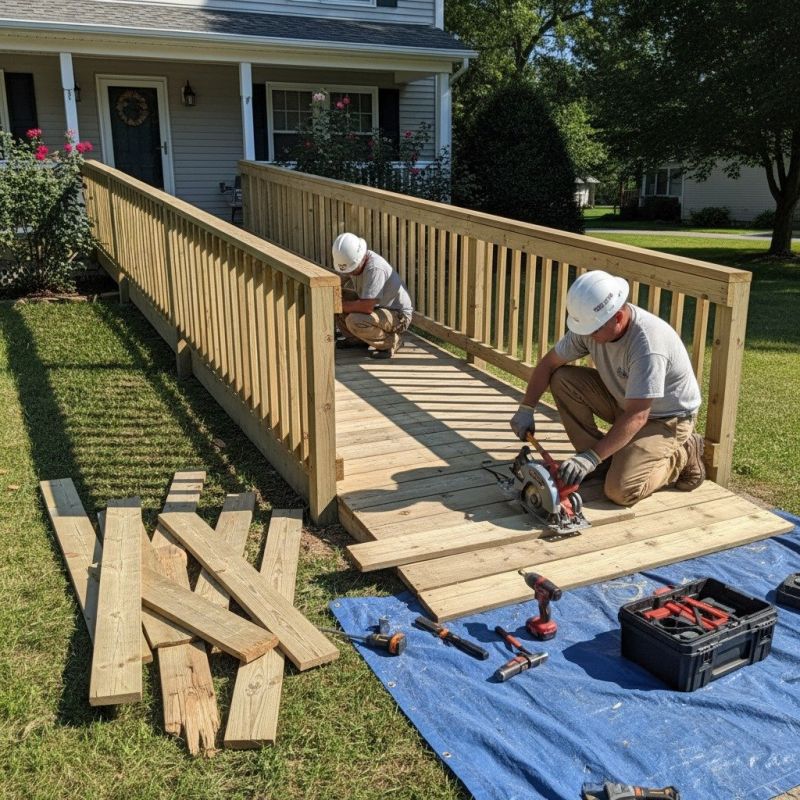
When evaluating potential service providers for handicap ramp repair, it’s important to consider their experience with similar projects. Homeowners should look for local contractors who have a proven track record of successfully completing ramp repairs comparable to the scope of their needs. An experienced professional will understand common challenges and best practices, helping to ensure the repair is durable and meets the specific requirements of accessibility. Asking for details about past projects or examples of completed work can provide insight into their familiarity with handicap ramp repairs and their ability to handle unique situations.
Clear, written expectations are essential when choosing a local contractor. Homeowners should seek service providers who can offer detailed descriptions of the repair process, materials to be used, and the scope of work. Having these details in writing helps prevent misunderstandings and ensures everyone is aligned on the project’s goals. It’s also beneficial to clarify timelines, responsibilities, and any warranties or guarantees that may be offered. This transparency can foster trust and make the repair process smoother from start to finish.
Reputable references and good communication are key factors in selecting a reliable local professional. Homeowners should inquire about references from previous clients who had similar handicap ramp repairs, as this can provide insight into the contractor’s reliability, quality of work, and professionalism. Additionally, the ability to communicate clearly and promptly is vital; responsive service providers who listen carefully and answer questions thoroughly are more likely to deliver a positive repair experience. It’s important to remember that the site introduces homeowners to local options capable of handling the work, but the actual repair will be performed by the chosen service provider.
Property owners use Handicap Ramp Repair services for practical projects around their homes and businesses. This guide focuses on everyday jobs and straightforward project options.
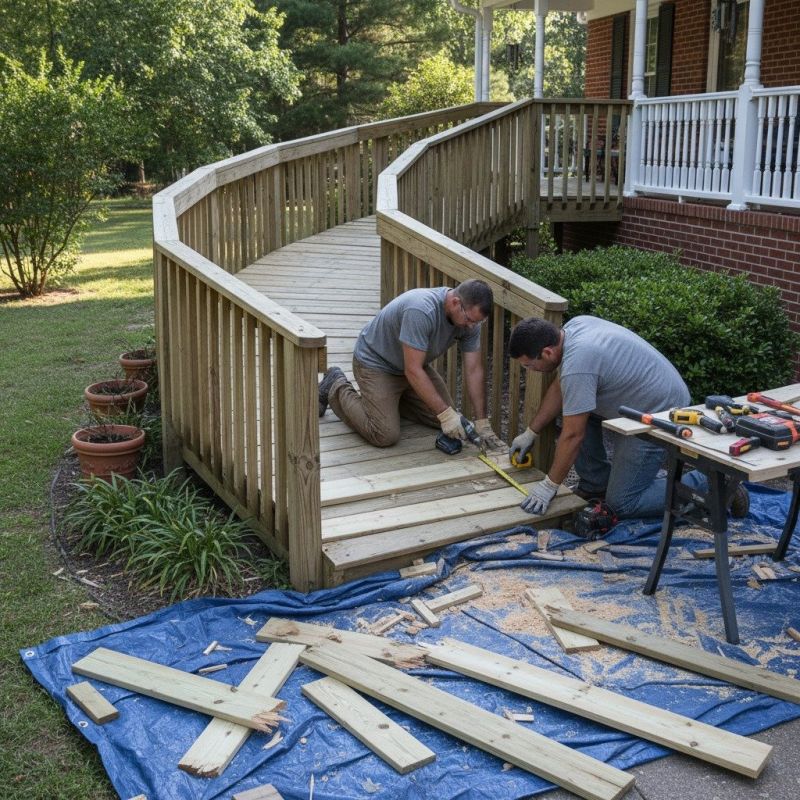
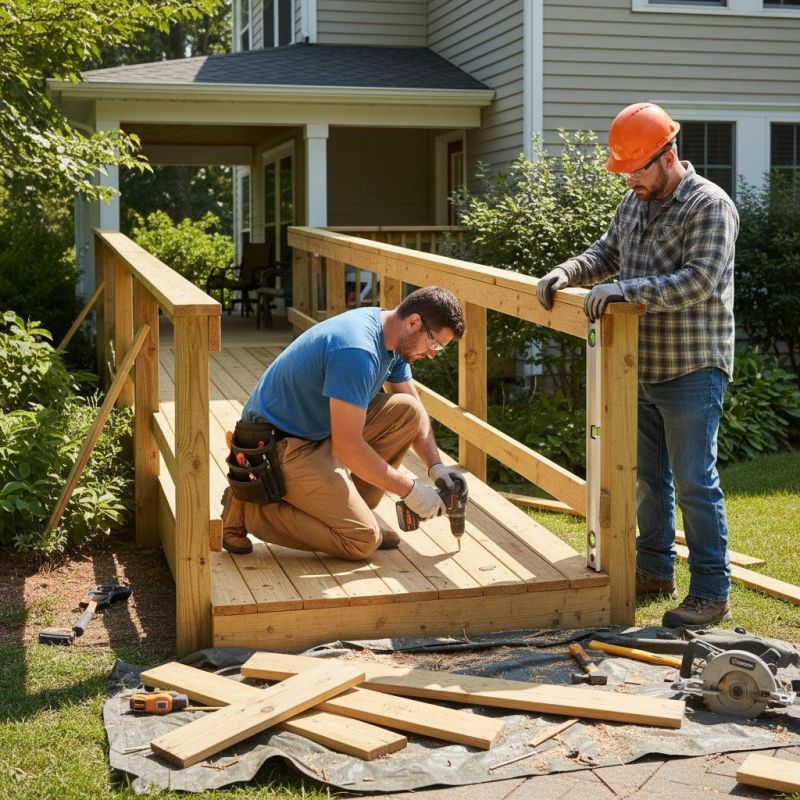
Handicap ramp repair services are often needed when existing ramps become damaged, worn, or no longer meet accessibility needs. Property owners may seek repairs after weather-related wear, frequent use, or accidental damage that compromises the safety and functionality of their ramps. Whether it's a residential property, a business, or a public space, local contractors can address issues like loose handrails, cracked surfaces, or uneven surfaces to restore safe access for individuals with mobility challenges.
Many property owners look for handicap ramp repair to ensure compliance with accessibility standards and to prevent potential hazards. Over time, ramps can develop issues that make them difficult or unsafe to use, prompting the need for professional repairs. Local service providers are equipped to handle a variety of repair situations, helping property owners maintain accessible, secure, and reliable ramps for everyday use.
What types of handicap ramp repairs do local contractors handle? Local service providers can address a variety of repairs including structural fixes, surface resurfacing, and adjustments to ensure proper slope and stability of handicap ramps.
How can I tell if my handicap ramp needs repair? Signs that repairs may be needed include visible damage, uneven surfaces, loose handrails, or difficulty in wheelchair access.
Are there different repair options for different ramp materials? Yes, local contractors can repair a range of materials such as wood, aluminum, or concrete, tailoring solutions to the specific material and damage.
What maintenance is recommended to prevent future handicap ramp issues? Regular inspections, cleaning, and prompt repairs of minor damages can help maintain the safety and functionality of handicap ramps.
How do local service providers ensure the safety of handicap ramp repairs? They follow standard practices to restore structural integrity, stability, and compliance with accessibility guidelines during repairs.
Residential Accessibility Improvements - Property owners can enhance safety and mobility by repairing or installing handicap ramps to better accommodate daily needs.
Senior or Disabled Accessibility Upgrades - Local contractors can help create safer entryways for seniors or individuals with mobility challenges.
Property Renovation Projects - Homeowners working on remodeling projects may need ramp repairs to ensure consistent accessibility throughout the property.
Community Accessibility Enhancements - Facility managers can improve public access by maintaining or upgrading handicap ramps to meet current standards.
If you are thinking about Handicap Ramp Repair for a property, this guide is meant to help you understand the work, the typical project types, and how different options might fit your plans.
When you are ready, you can use the quote form on this page to share a few details about your project. From there, local pros can review the basics and respond with options that match what you have in mind.